
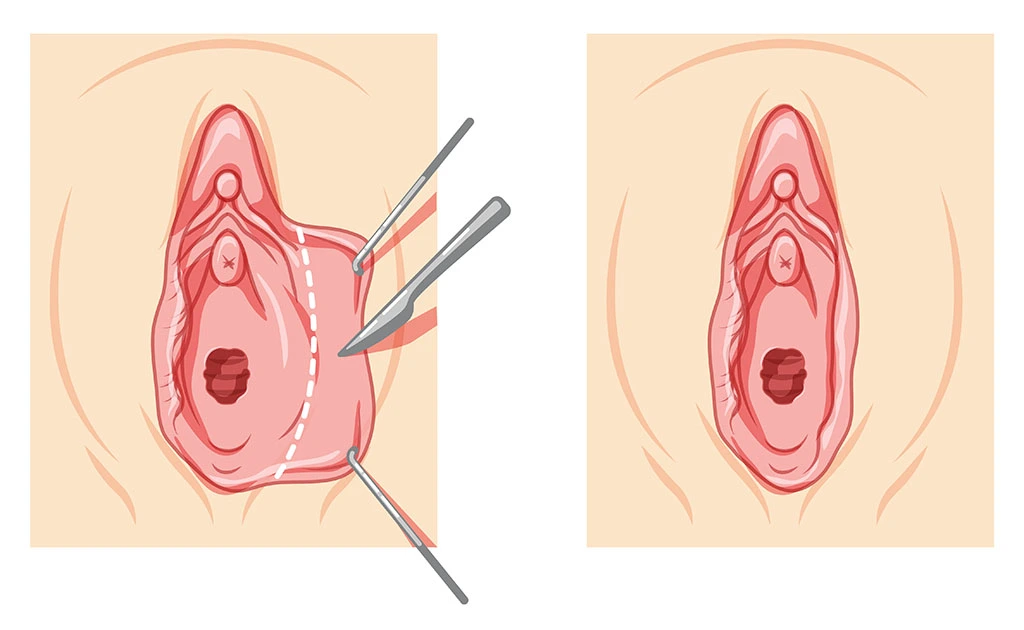
The labia majora, just like any other part of the body, can change throughout life. Some women notice an increase in volume, changes in firmness, or a different sensation when wearing tight clothing or during physical activity. And while these changes are completely common, they can raise questions about how to reduce the size of the labia majora or whether intervention is actually necessary.
We understand this is a personal, intimate, and sometimes sensitive topic. Our intention isn’t to define an “ideal size” or promote aesthetic standards. Our focus is to help every woman understand what’s happening in her body, what may be causing these changes, and what medical options are available when there is discomfort or a desire to improve intimate wellness.
Recent research has helped explain how hormonal shifts, collagen quality, fat distribution, and normal anatomical variations influence the volume of the labia majora.
In this blog, we’ll explore the most common reasons why the labia majora can appear larger, the symptoms that may appear, the options available to reduce their size, and when it’s recommended to see a specialist. Our goal is for you to feel informed, supported, and empowered to make decisions freely.
Why Does the Labia Majora Increase in Size? Medical and Anatomical Explanation
The size of the labia majora can change due to a combination of hormonal, structural, genetic, and metabolic factors. These changes are usually not a sign of disease; they are part of normal anatomical variation. Even so, changes in this area can cause questions or discomfort, which is why understanding what happens in the tissue—and why—can be helpful.
Hormonal Changes Across Key Stages of Life
The labia majora contain subcutaneous fat, sebaceous glands, and connective tissue—all highly sensitive to estrogen. Hormones regulate hydration, collagen density, skin thickness, and fat distribution in the vulvar area.
A recent study by Li et al. (2024), published in Photobiomodulation, Photomedicine and Laser Surgery, showed how declining estrogen levels impact the firmness and thickness of the vulvar tissue, leading to visible changes in women during perimenopause and menopause.
This explains why adolescence, pregnancy, postpartum, perimenopause, and menopause can lead to changes in the appearance of the labia majora. Clinically, these changes are completely normal. They only become relevant when they cause physical discomfort or emotional distress.
Labial Hyperplasia or Hypertrophy: Structural Tissue Growth
Labial hyperplasia refers to a real increase in tissue—not just perception. In these cases, the labia become thicker due to changes in connective tissue and collagen organization. Genetics, chronic friction, and sustained hormonal changes can amplify this.
A study by Qiang et al. (2023) on motivations for labiaplasty showed that many women seek evaluation due to symptoms caused by hyperplasia, such as heaviness, friction during physical activity, or discomfort with tight clothing.
Hyperplasia is benign, but it can affect quality of life and justify exploring safe options for how to reduce the size of the labia majora.
Localized Fat Accumulation and Normal Anatomical Variations
The vulva naturally contains fat that protects internal structures and absorbs impact. Dermatological studies show that this fat can increase with age, weight fluctuations, or metabolic changes (Wiley, 2024).
This explains why some women notice more fullness, asymmetry, or bulging when wearing tight clothing. It’s not a medical problem—it’s an anatomical variation—but it can still cause inconvenience or discomfort.
Postpartum Changes and Progressive Collagen Decline
After pregnancy and especially after age 35, collagen types I and III decrease. These fibers are fundamental for firmness, structure, and elasticity of the vulvar tissue. As a result, the labia majora may appear fuller, softer, or less firm, even without a true increase in tissue.
Regenerative treatments and certain laser technologies have been shown to improve collagen quality and texture, helping restore support and appearance.
Additional Factors: Genetics, Friction, Hair Removal, and Chronic Irritation
Aside from hormones and collagen, several other factors influence the shape and feel of the labia majora:
- Genetics that determine vulvar morphology, skin thickness, and fat distribution.
- High-impact physical activity, such as running or cycling, which can temporarily inflame the tissue.
- Frequent waxing, shaving, or laser hair removal, which may cause irritation or skin thickening.
- Tight clothing that increases friction, especially with sweat or humidity.
None of these factors are “your fault.” They help us understand the history of your tissue and decide whether intervention or lifestyle adjustments may help.
When Can Larger Labia Majora Cause Discomfort?
Larger labia majora can be completely normal, but for some women the change feels different. It’s not only about size—it’s about how the tissue behaves in daily life.
Some of the most common concerns we hear include:
- Feeling friction while walking.
- Discomfort with leggings or swimwear.
- A sensation of heaviness at the end of the day.
These sensations often relate to repeated friction, hyperplasia, or collagen loss. The vulvar skin is delicate and highly sensitive, making it more prone to irritation during exercise or when exposed to tight materials.
There may also be an emotional component. Some women feel insecure when noticing changes in shape or symmetry, affecting how they feel in their bodies. We validate these feelings fully: this isn’t about aesthetics—it’s about comfort, wellness, and confidence.
You should consider a consultation if you experience frequent irritation, sudden changes, pain during exercise, or ongoing emotional discomfort. Our role is to help you determine whether these changes fall within normal anatomical variation or if there are options worth exploring.
How to Reduce the Size of the Labia Majora: Safe and Personalized Medical Options
When a woman seeks guidance about the size of her labia majora, the first step is listening. Every story is different. Some women feel friction when walking, others notice changes after pregnancy or menopause, and others feel emotional discomfort and want to understand whether what they’re seeing is normal.
Before discussing treatment, we emphasize something essential: there is no ideal size. What matters is how you feel.
When the volume causes discomfort, there are several safe medical options:
Labia Majora Reduction (Labiaplasty)
This procedure is recommended when there is excess skin, hyperplasia, or persistent friction. It reduces extra tissue, improves symmetry, refines the contour, and enhances comfort during movement or with clothing.
Qiang et al. (2023) highlight that the primary motivation for this procedure is functional well-being—not aesthetics.
Labia Majora Lifting or Tightening
Sometimes the issue isn’t excess volume but loss of firmness. Collagen decreases with age and hormonal shifts, causing tissue laxity. A lifting or tightening treatment restores support without removing significant tissue.
Regenerative and Laser-Based Treatments
These non-surgical options improve collagen, tissue firmness, hydration, and overall texture. They are helpful when the perceived volume comes from laxity rather than true tissue excess.
Localized Fat Reduction
When fullness comes primarily from subcutaneous fat—something completely normal—a targeted fat-reduction technique may be considered. This is only recommended after thorough evaluation.
Which option is right for you?
A personalized approach is essential. Treatment decisions should be medical, realistic, and free of pressure. We consider your symptoms, hormonal stage, expectations, and anatomical characteristics to recommend only what aligns with your comfort and goals.
Recovery After Reducing the Size of the Labia Majora
Recovery varies from woman to woman, but it’s often smoother than expected. Mild swelling, tenderness, and small bruises are normal in the first few days, especially in such a vascular area.
Between days three and seven, most women feel noticeable improvement: reduced swelling and greater comfort. Light daily activity usually resumes within 24–48 hours, low-impact exercise around week two, and more intense workouts between weeks four and six. Sexual activity typically resumes after four to six weeks with medical clearance.
Absorbable sutures dissolve on their own. Final results become visible between weeks six and ten, depending on collagen quality, age, and hormonal context.
Beyond the physical aspect, emotional recovery matters, too. Questions, doubts, and mixed feelings are normal. We accompany you through each stage with clarity, reassurance, and realistic expectations.
Frequently Asked Questions
Is it normal to have large labia majora?
Yes. Vulvar anatomy varies widely. Treatment is only recommended when there is persistent physical discomfort or significant emotional impact.
Do I always need treatment if my labia majora are large?
No. Many women live comfortably with larger labia. Treatment is considered when friction, pain, heaviness, or self-consciousness becomes meaningful.
Can I reduce labia majora size without surgery?
In some cases, yes. When the issue is laxity or collagen decline, regenerative and laser treatments may improve support and contour without surgery.
Will surgery change my sensitivity?
When performed correctly, sensitivity should not decrease. In fact, many women report feeling more comfortable because the friction resolves.
Can the labia majora become enlarged again after treatment?
It depends on the cause—hormones, weight changes, or hyperplasia. This is why medical evaluation is key.
We’re Here to Help You Decide—Not Rush You
If you’ve ever wondered how to reduce the size of the labia majora, if recent changes are bothering you, or if you simply want clarity about what you’re experiencing, we’re here to support you.
We offer a warm, judgment-free medical consultation where you can talk openly about your intimate wellness, receive evidence-based guidance, and explore whether treatment—or simple lifestyle adjustments—is right for you.